De fleste gulvfejl i flerfamiliehuse starter ikke med finishgulvet - de starter med det, der er under det. Fugt siver gennem gipsunderlag. Støj bevæger sig mellem enhederne. Ilden breder sig, før nogen opdager det. MgO-underlagspaneler løser alle tre problemer i et enkelt lag, og bygherrer, der har foretaget skiftet, går sjældent tilbage.
Hvad er et MgO-underlagspanel?
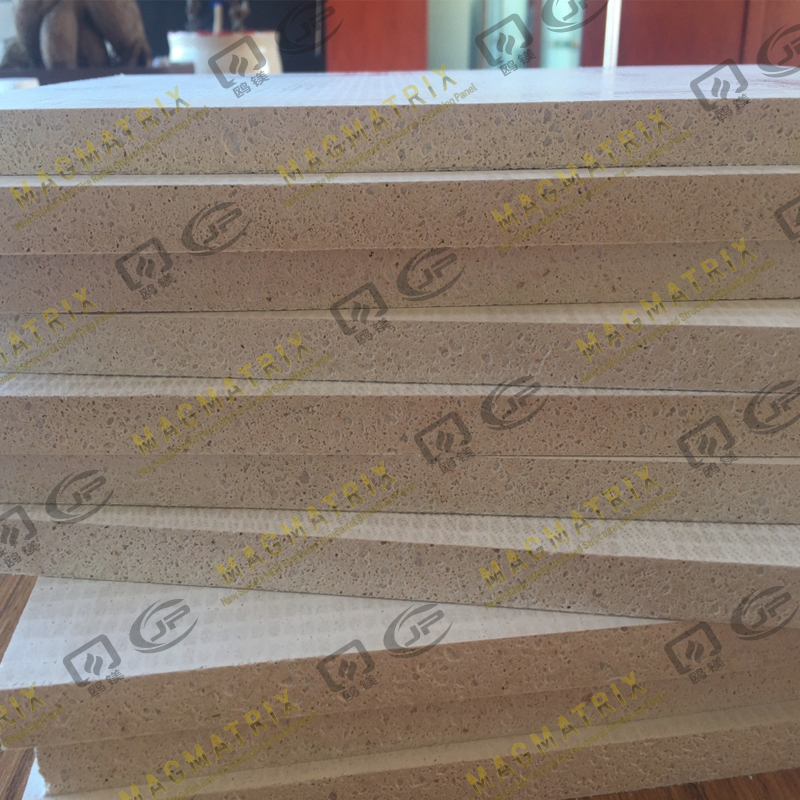
Et MgO underlagspanel er en stiv plade lavet af magnesiumoxid (MgO) forstærket med en integreret glasfibernetkerne. Det sidder mellem det strukturelle undergulv og den færdige gulvbelægning - tæppe, vinyl, fliser, hårdttræ - og fungerer som et brandklassificeret, fugtbestandigt, akustisk forbedret basislag.
I modsætning til traditionelt gipsbaseret underlag, som hældes vådt og kræver hærdetid, monteres MgO underlagspaneler tørt. De ankommer på stedet som forskårne stive brædder, klar til at fastgøres direkte til gulvsamlingen.
Den MagMatrix MgO underlagspanel fra Jinpeng er konstrueret specifikt til multifamilie- og lette kommercielle arbejdspladser, hvor brandydeevne, akustisk kontrol og installationshastighed alle er ikke til forhandling.
Brandmodstand: Hvad tallene betyder
MgO-paneler er ikke-brændbare af kemi. Magnesiumoxid brænder ikke, og når det inkorporeres i en gulvsamling, bidrager det til brandmodstandsvurderinger testet i henhold til standarder som ASTM E84 Klasse A overfladeforbrændingskrav - den højeste klassificering, der kræver et Flame Spread Index (FSI) på 0-25 og et Smoke Developed Index (SDI) på 0-450.
Rent praktisk: Når ild trænger ind i en gulvkonstruktion bygget med MgO-underlag, tilfører panelet ikke flammen eller frigiver giftig røg. For lejlighedsbygninger, hoteller og skoler, hvor evakueringstiden for beboere er vigtig, er denne sondring kritisk. MagMatrix-paneler er også blevet testet under ASTM E119, og opnår 2-timers brandklassificerede væg- og gulvmontage-certificeringer.
MgO-underlag vs. traditionelt gipsunderlag — sammenligning af nøgleydelser | Ydelseskategori | MgO Underlayment Panel | Gips Underlag |
| Brandmodstand | Ikke-brændbar, ASTM E136 / E119 klassificeret | Begrænset; ikke ubrændbart |
| Fugtmodstand | Hæver ikke, nedbrydes eller mugner | Modtagelig for fugtskader |
| Installationsmetode | Tør; skruet fast | Vådhældt; kræver hærdning |
| Installationshastighed | ~30% hurtigere end gipssystemer | Langsommere; kurere forsinkelser næste handler |
| Lydydelse | Forbedrer STC- og IIC-vurderinger | Moderat akustisk bidrag |
| VOC'er / indendørs luftkvalitet | Ingen VOC, asbestfri | Generelt lav, men varierer |
Lydkontrol: STC- og IIC-klassificeringer forklaret
I flerfamiliebyggeri er støjklager blandt de hyppigste årsager til lejers utilfredshed. To målinger styrer akustisk ydeevne i gulvsamlinger: STC (Sound Transmission Class) , som måler luftbåren lyd som stemmer og musik, og IIC (Impact Insulation Class) , som måler påvirkningsstøj som fodtrin.
De fleste byggekoder kræver et minimum STC og IIC på 50 for flerfamiliehuse. MgO-underlagspaneler bidrager meningsfuldt til begge klassificeringer, når de inkorporeres i testede samlinger - uden at tilføje kompleksiteten af specielle akustiske måtter eller flere ekstra lag.
Hvis du også vurderer strukturelle undergulvsmuligheder for det samme projekt, MagMatrix MgO undergulvsbeklædningsbrætserie parres direkte med underlagspanelet for et fuldt integreret MgO-gulvsystem.
Hvor MgO underlagspaneler bruges
Den material performs across a wide range of project types and environments:
- Lejlighedskomplekser og ejerlejligheder: Brandklassificeringer og lyddæmpning opfylder IBC-kravene uden at tilføje separate akustiske lag.
- Hoteller og studieboliger: Høj fodtrafik og fugtpåvirkning fra badeværelser og køkkener - MgO håndterer begge dele.
- Hospitaler og skoler: Miljøer, hvor brandsikkerhedsreglerne er strenge, og indendørs luftkvalitetsstandarder er ikke til forhandling.
- Køkkener, badeværelser og kældre: Fugttilbøjelige områder, hvor gipsunderlag nedbrydes; MgO-paneler opretholder dimensionsstabilitet uden at hæve eller vride sig.
- Enhver finish gulvbelægning: Fliser, vinylplanker, tæpper, hårdttræ – MgO giver et stabilt, fladt underlag til dem alle.
Udforsk komplet MagMatrix MgO bord produktsortiment for at se, hvilken panelkonfiguration der passer til dit projekts struktur- og finishkrav.
Installation: Hvad du skal vide, før du starter
MgO underlagspaneler er tørinstalleret, hvilket eliminerer hærdningsforsinkelser forbundet med støbte gipssystemer. Installationen kører cirka 30 % hurtigere , som holder efterfølgende handler på tidsplanen og reducerer det samlede antal arbejdstimer på stramme tidslinjer.
Et par praktiske punkter, der betyder noget på arbejdspladsen:
- Tilpas panelerne i rummet i 3-5 dage før installation for at give dem mulighed for at afbalancere med den omgivende luftfugtighed.
- Brug korrosionsbestandige skruer - ikke søm - og følg producentens retningslinjer for afstand (typisk 150 mm ved kanter, 250–300 mm i marken).
- En rundsav med hårdmetal-spids klinge giver rene snit uden afhugning af panelkanter.
- Efterlad små ekspansionsmellemrum mellem brædder og forsegl samlinger med kompatibel fleksibel tætning.
- I våde områder skal du installere en fugtspærre under panelet og forsegle alle gennemføringer.
Fordi der ikke kræves en hærdetid, kan gulventreprenører følge rammer og underlagsinstallatører uden en tvungen ventetid - en konkret fordel i fast-track byggeplaner.
Hvorfor Builders specificerer MgO-underlag
Den shift isn't just about performance data. It's about what happens when a project runs long, when a bathroom leaks, or when a building inspector looks at the fire assembly documentation. MgO underlayment panels consistently pass code review because their certifications — ASTM E136, ASTM E119, Intertek CCRR-0457 — are established and recognized.
Deny're also free from silica, asbestos, and VOCs, which matters both for workers during installation and for occupants over the building's life. A material that is safer to install and healthier to live above is increasingly what owners and developers want to see on specification sheets.
For et dybere kig på, hvorfor denne produktkategori vinder frem i moderne byggeri, se hvorfor MgO underlagspaneler er det foretrukne valg til moderne gulvsystemer.
Hvis dit næste projekt kræver brandklassificerede gulvsamlinger, akustisk ydeevne mellem enhederne og et underlag, der holder i miljøer med høj fugtighed - MgO-underlagspaneler er værd at se nærmere på, før den næste specifikation bliver færdig.




 BMSC 517 NY SULFAT MGO BOARD
 Multi-understøttende MGO væghylderplade
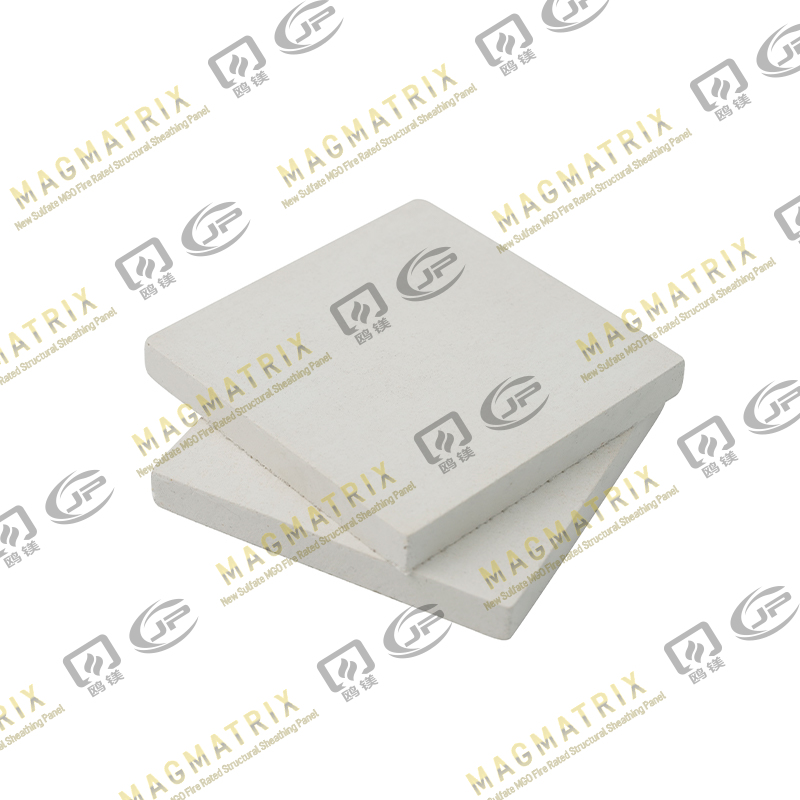 Udholdenhed Mgo væghylning
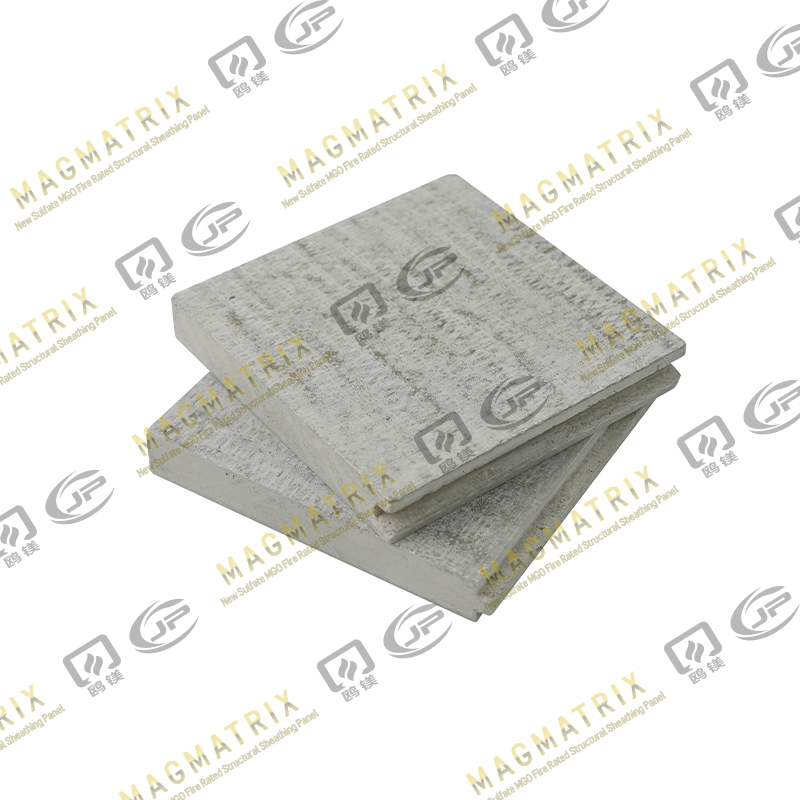 Multi-understøttende MGO-undergulvhylsterplade
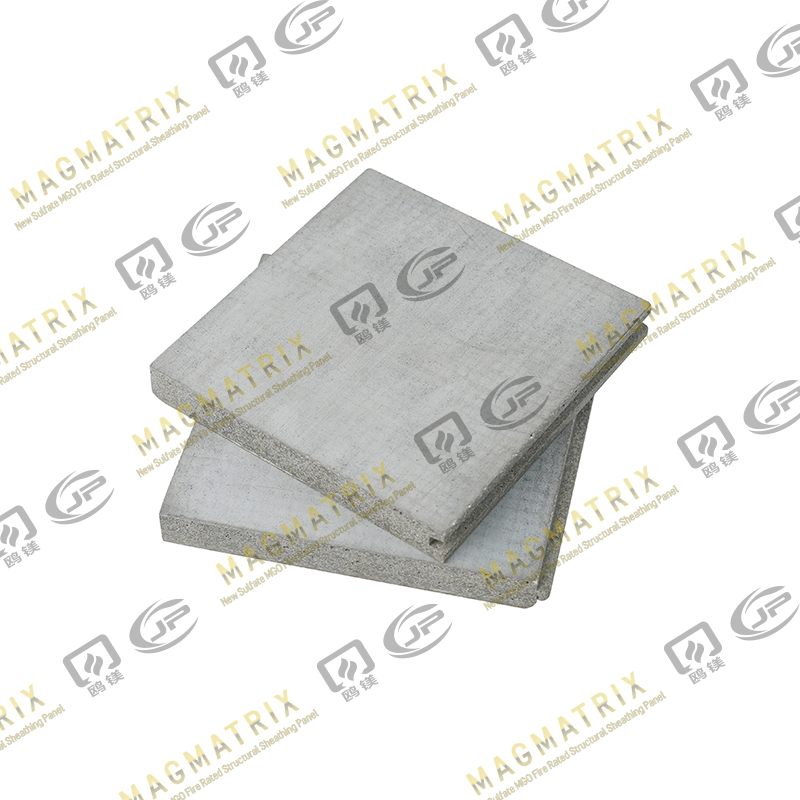 Udholdenhed Mgo undergulvhylsterplade
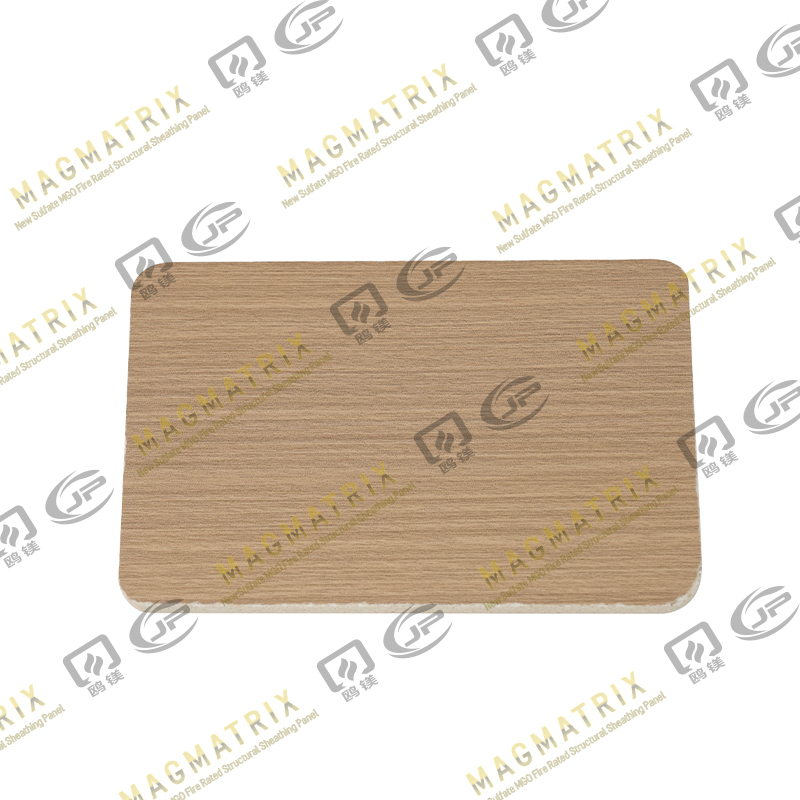
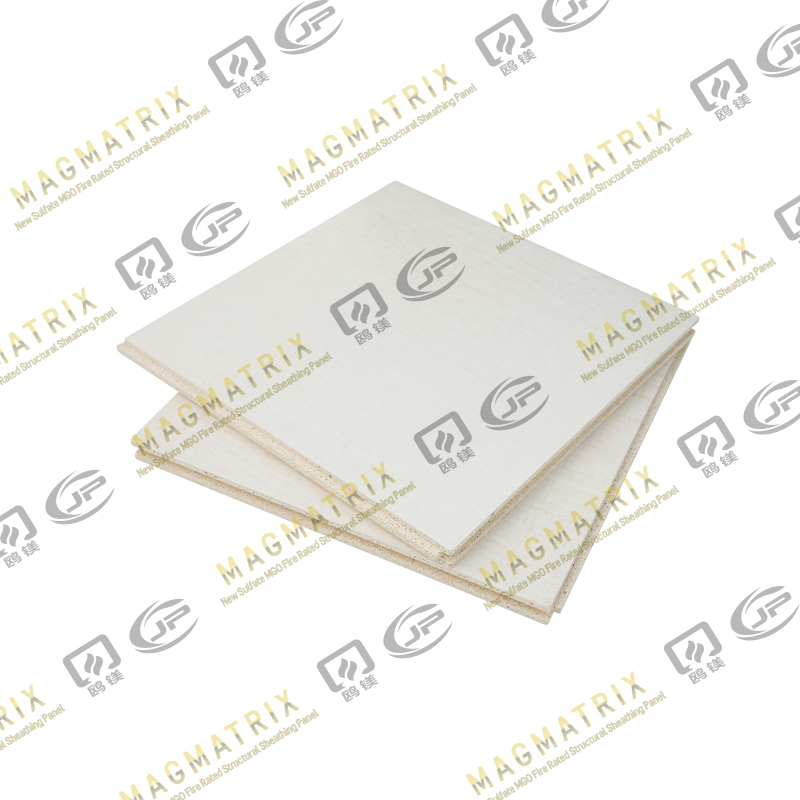
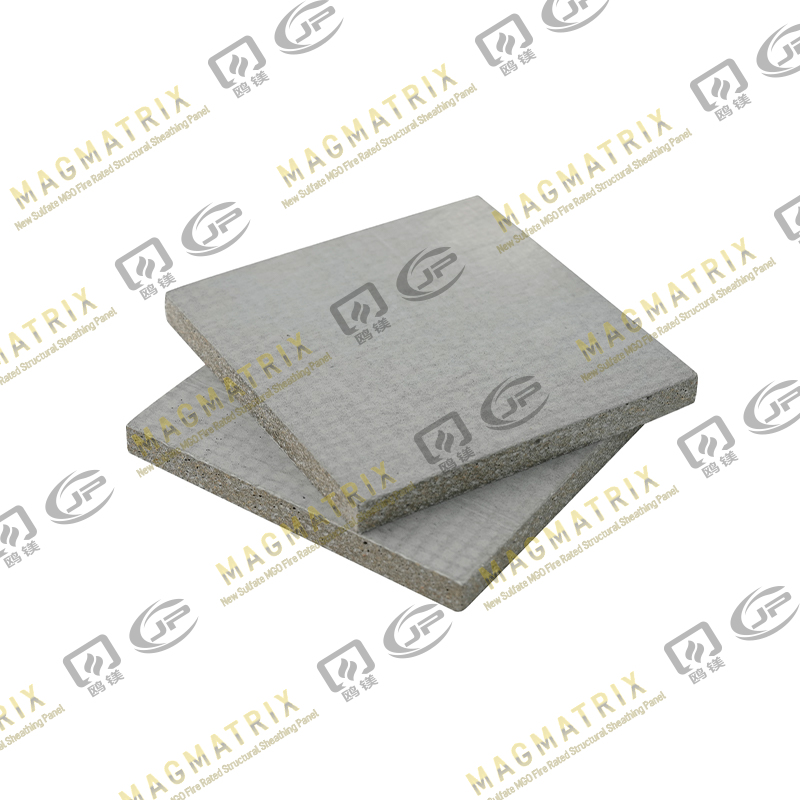
 Magmatrix MGO underlaytationspanel/bestyrelse